May 01, 2014 · many visitors, migration few predators little competition small ears insulation, thick coat arctic fox snowy owl grizzly bear tundra animal adaptations 26. Out of all arctic tundra animals, we have chosen a few of interesting animals with unique adaptations below. Tundra, a major zone of treeless level or rolling ground found in cold regions, mostly north of the arctic circle (arctic tundra) or above the timberline on high mountains (alpine tundra). While temperature and rainfall usually determine the other biomes… Students analyze how the traits and behaviors of real and fictional animals reflect adaptations to their environment.
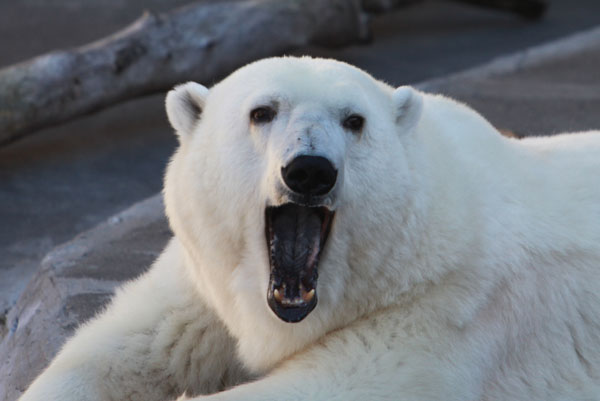
Out of all arctic tundra animals, we have chosen a few of interesting animals with unique adaptations below.
Arctic tundra inhabitants' main features are thick fur, masquerading colors, and several adaptations that help them keep warm and effectively travel along with the snow. The animals that spend the entire year in the arctic tundra biome have a variety of adaptations to help them deal with the extreme conditions here. The arctic tundra • located between the north pole and coniferous forest or taiga region. A complex community of plants and animals in a region and a climate is called a biome. Many animals in the savanna are herbivores, which means they eat plants, and there is plenty of grass in the savanna. Jun 14, 2021 · small insect and relatively small animals reign there. The earth has many different environments, varying in temperature, moisture, light, and many other factors. The species found in savannas vary by the geographic location of the biome. The alpine tundra is a unique biome in that it's found all over the globe, but only on tops of the tallest mountains. Students analyze how the traits and behaviors of real and fictional animals reflect adaptations to their environment. While temperature and rainfall usually determine the other biomes… Tundra, a major zone of treeless level or rolling ground found in cold regions, mostly north of the arctic circle (arctic tundra) or above the timberline on high mountains (alpine tundra). It is a very fragile environment and the plants and animals that have made their home on the tundra biome have made some incredible adaptations to the long, cold winters and the short but abundant summers.
The tundra is not a cold and useless wasteland. Animals native to african savannas include african elephants, zebras, horses, and giraffes. Students analyze how the traits and behaviors of real and fictional animals reflect adaptations to their environment. A complex community of plants and animals in a region and a climate is called a biome. Animals in a desert will have large ears, like the elephant, to disperse body heat.

It is a very fragile environment and the plants and animals that have made their home on the tundra biome have made some incredible adaptations to the long, cold winters and the short but abundant summers.
The arctic tundra • located between the north pole and coniferous forest or taiga region. While temperature and rainfall usually determine the other biomes… The tundra is not a cold and useless wasteland. Animals native to african savannas include african elephants, zebras, horses, and giraffes. The alpine tundra is a unique biome in that it's found all over the globe, but only on tops of the tallest mountains. Tundra, a major zone of treeless level or rolling ground found in cold regions, mostly north of the arctic circle (arctic tundra) or above the timberline on high mountains (alpine tundra). The species found in savannas vary by the geographic location of the biome. In the case of mammals and birds, such as polar bears ( ursus maritimus ), arctic foxes ( vulpes lagopus ), muskoxen ( ovibos moschatus ) and more, some of the strategies are the same. A complex community of plants and animals in a region and a climate is called a biome. Out of all arctic tundra animals, we have chosen a few of interesting animals with unique adaptations below. The amounts of sunlight and rainfall are also limiting factors for both plants and animals. Animals in a desert will have large ears, like the elephant, to disperse body heat. Many animals in the savanna are herbivores, which means they eat plants, and there is plenty of grass in the savanna.
Tundra, a major zone of treeless level or rolling ground found in cold regions, mostly north of the arctic circle (arctic tundra) or above the timberline on high mountains (alpine tundra). In the case of mammals and birds, such as polar bears ( ursus maritimus ), arctic foxes ( vulpes lagopus ), muskoxen ( ovibos moschatus ) and more, some of the strategies are the same. Each of these habitats has distinct life forms living in it, forming complex communities of interdependent organisms. Students analyze how the traits and behaviors of real and fictional animals reflect adaptations to their environment. While temperature and rainfall usually determine the other biomes…

Tundra is known for large stretches of bare ground and rock and for patchy mantles of low vegetation such as mosses, lichens, herbs, and small shrubs.this surface supports a meagre but unique variety of animals.
The species found in savannas vary by the geographic location of the biome. The earth has many different environments, varying in temperature, moisture, light, and many other factors. Arctic tundra inhabitants' main features are thick fur, masquerading colors, and several adaptations that help them keep warm and effectively travel along with the snow. A complex community of plants and animals in a region and a climate is called a biome. It is a very fragile environment and the plants and animals that have made their home on the tundra biome have made some incredible adaptations to the long, cold winters and the short but abundant summers. The tundra is not a cold and useless wasteland. Students analyze how the traits and behaviors of real and fictional animals reflect adaptations to their environment. In the case of mammals and birds, such as polar bears ( ursus maritimus ), arctic foxes ( vulpes lagopus ), muskoxen ( ovibos moschatus ) and more, some of the strategies are the same. The alpine tundra is a unique biome in that it's found all over the globe, but only on tops of the tallest mountains. The arctic tundra • located between the north pole and coniferous forest or taiga region. The amounts of sunlight and rainfall are also limiting factors for both plants and animals. Animals in a desert will have large ears, like the elephant, to disperse body heat. Each of these habitats has distinct life forms living in it, forming complex communities of interdependent organisms.
The Animals And Adaptations For Tundra Biomes ~ Tundra biomes. The alpine tundra is a unique biome in that it's found all over the globe, but only on tops of the tallest mountains. Tundra is known for large stretches of bare ground and rock and for patchy mantles of low vegetation such as mosses, lichens, herbs, and small shrubs.this surface supports a meagre but unique variety of animals. Students analyze how the traits and behaviors of real and fictional animals reflect adaptations to their environment. The tundra is not a cold and useless wasteland. The species found in savannas vary by the geographic location of the biome.


